Continuous Line Design of Egg: Graphics & Illustrations for Handmade Businesses
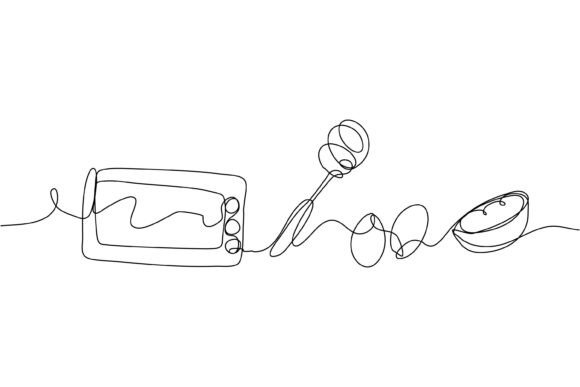
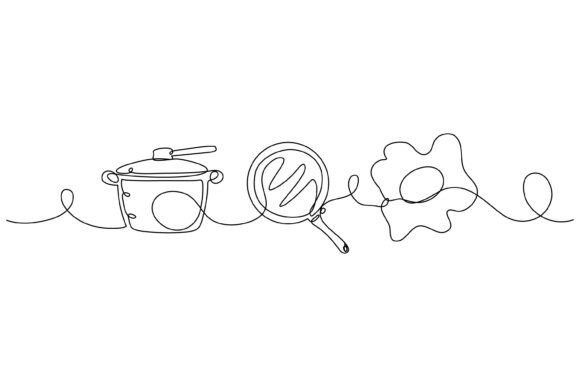
When I first opened the Continuous Line Design of Egg file, I immediately felt that familiar spark—the one that tells me a design asset will fit right into a cozy, kitchen-themed collection without screaming for attention. The single unbroken line forms a playful egg frying pan, drawn with a confident, minimalist hand on a clean white background. It’s not fussy, not overly detailed, and that’s exactly what makes it so versatile. As someone who designs for Etsy shops, craft fairs, and custom orders, I’m always hunting for illustrations that feel both handmade and easy to brand. This continuous line graphic hits that sweet spot: it looks like a sketch an artist might dash off in a coffee shop, yet it’s polished enough to scale across mugs, tote bags, and stationery without losing its charm.
The mood is playful, slightly rustic, and undeniably warm. It whispers “slow Sunday breakfasts” and “farmhouse kitchen corners.” For a handmade business, this kind of imagery attracts customers who love minimal décor, modern farmhouse style, or clean line art. Think of the Etsy buyer who searches for “simple egg print,” “line art kitchen decor,” or “minimalist food illustration.” This design answers that call perfectly. As a graphic design asset, it’s already a small story waiting to be placed on a product.
First Impressions: A Whimsical Line Art Illustration
The Continuous Line Design of Egg arrives as a digital bundle: EPS, SVG, and JPG. Right away, I noticed the SVG file opened with crisp, clean paths—no broken lines, no stray anchor points. That’s a huge relief for any crafter who has wrestled with a “cut-ready” file only to find it’s actually a jumbled mess. The single line decorative element is drawn with a consistent weight, making it predictable for vinyl cutting and scoring. The JPG is high-resolution, perfect for printable products. The EPS means I can scale it to billboard size if I ever needed to (though I doubt a giant frying pan mural is in my future, but you never know).
For a graphics and illustrations product, this one feels intentionally designed for crafters. The silhouette is simple enough to weed easily, yet the continuous line technique adds a handmade feel that mass-produced clipart often lacks. I’d categorize this as a “decorative accent” rather than a hero image, which is exactly what I want when building layered product mockups or seasonal craft bundles.
Real Crafting Scenarios: How I’d Use This Egg Design
Let me walk you through a real scenario. I’m preparing a small batch of products for a spring market, and my theme is “Brunch & Bloom.” I need a few kitchen-themed items that work across different mediums. The Continuous Line Design of Egg becomes the anchor for:
- Mug designs: Sublimated onto a white ceramic mug, the black line art creates a crisp, modern look. I’d pair it with a simple serif font saying “eggcellent morning” or “sunny side up.”
- Tote bags: Using heat transfer vinyl, I’d cut the SVG in a soft yellow or warm cream to mimic a real egg yolk, placed off-center on a natural canvas tote. The single line flourishes give it a boutique feel.
- Thank-you cards: Printed on kraft paper, the JPG version becomes a delicate, understated graphic. I’d add a handwritten-style “thank you” and my shop logo. Customers love little touches like this.
- Sticker designs: For planner stickers or laptop decals, the SVG cuts beautifully. I tested a 2-inch version, and the line held up without becoming too fragile—though I’ll talk more about sizing later.
- Printable wall art: A 5x7 print, placed in a simple frame, turns into a perfect kitchen decor item. I’d bundle it with a coffee cup line art or a whisk illustration for a cohesive set.
- Gift tags and party favors: For a bridal shower brunch, I’d print the design on hang tags tied to mini jam jars. The continuous line style feels personal and elegant.
What I love about this asset is its ability to act as a visual whisper rather than a shout. It doesn’t dominate a product; it elevates the overall composition. For handmade business owners, that means you can use it repeatedly without your shop looking repetitive.
Where This Design Shines and Where to Tread Carefully
After testing the Continuous Line Design of Egg on several materials, here’s my honest breakdown.
Where it works beautifully:
- Large cut files: On a 12x12 canvas tote or a 15oz mug, the design scales up without losing its delicate feel. The single line remains sturdy for weeding vinyl.
- Clean printable layouts: The JPG’s white background makes it easy to drop into greeting card templates or art prints. No messy background removal needed.
- Seasonal craft bundles: Think Easter kitchen sets, Mother’s Day brunch collections, or “new home” gift packs. It’s a versatile clipart that fits many themes.
- Product mockups: When creating digital product listings, I’d overlay this illustration onto a mug or a print to show scale. The simple line art draws the eye without distracting.
- Personalized items: Add a name or a date, and suddenly you have a custom wedding gift or a housewarming present.
Where you need to be careful:
- Very small cutting details: At under 1.5 inches, the frying pan handle starts to thin out. For tiny sticker sizes, I’d recommend thickening the stroke if your software allows, or using it as a print-only design.
- Layered vinyl projects: Because it’s a single line, overlaying multiple colors can muddy the effect. I’d stick to one or two solid colors to keep the continuous line clean.
- Crowded compositions: If you’re building a repeat pattern, give this egg breathing room. The beauty is in its simplicity, so don’t swarm it with other elements.
- Low-contrast printing: On dark products, the thin black line might fade if not printed with sufficient opacity. Test on dark tote bags or navy mugs before committing to a full run.
Technical Notes for Cricut, Silhouette, and Sublimation Users
I always run a new design through a few practical checks before selling finished products. With the Continuous Line Design of Egg, here’s what I found:
- SVG cut readiness: The file imported into Cricut Design Space and Silhouette Studio without errors. All paths were joined, and the line was solid enough for standard vinyl. I did a test cut on premium permanent vinyl, and it weeded cleanly—even the small curve where the egg white meets the pan handle.
- PNG transparency: While the JPG comes with a white background, I converted the SVG to a transparent PNG for sublimation. The line art held its integrity, and I could place it over a soft watercolor background without any white halo.
- Resolution for sublimation: The JPG is 300 DPI, which is excellent for mug presses and tumblers. I printed it at 4x4 inches on a mug, and the lines remained sharp. No pixelation.
- Color testing: I experimented with gold foil on cardstock (using the scoring tool) and with heat transfer vinyl in a muted orange. The design reads well even when the line color changes, so don’t be afraid to go beyond black.
- Mockup placement: I overlayed the design onto a digital mockup of a white mug and a craft paper bag. The contrast was perfect, and the design looked like it belonged. I always recommend mockups before listing a product—it helps you see if the scale is right.
One small note: the EPS file is a bonus for those who use Adobe Illustrator to tweak designs. I opened it and found the line work was created with a single stroke, which means you can easily adjust the weight if you find it too thin for a particular project.
Making It Your Own: Font Pairings and Branding for Handmade Shops
A great illustration becomes even more powerful when matched with the right typography. Based on the playful yet minimal vibe of the Continuous Line Design of Egg, here are the font directions I’d explore for my own handmade business:
- Serif fonts: A modern serif like Baskerville or a relaxed slab serif adds a touch of sophistication. It balances the whimsy of the egg and makes the product feel premium.
- Handwritten or script fonts: A casual, slightly messy script reinforces the “hand-drawn” feel. I’d use this for thank-you tags or personalized mugs.
- Sans serif fonts: For a clean, contemporary look, a light sans serif keeps the focus on the artwork. This works well for minimalist kitchen prints.
- Display fonts: A bold, quirky display font can turn a simple tote bag into a statement piece. Just ensure the egg still has visual space.
When designing for small business branding, I’d use this illustration as a subtle logo element—maybe in the corner of a thank-you card or as a repeating pattern on packaging. It’s memorable and approachable, which is exactly the personality you want for a handmade shop.
Licensing and Commercial Use: What You Must Know Before Selling
Now, a crucial step many crafters skip: double-checking the commercial license. The product listing says you get EPS, SVG, and JPG files, but always confirm that a commercial use license is included—or purchase one if needed. For Etsy sellers, print-on-demand creators, and craft fair vendors, you need the right to sell physical products made with this design. Don’t assume; reach out to the designer if the terms aren’t clear. I’ve learned the hard way that even a beautiful digital product can become a liability if you don’t have the proper license for your handmade business.
Once you’re cleared, you can confidently use this Continuous Line Design of Egg for customer orders, seasonal collections, and even as part of a larger design bundle. Just remember: if you’re reselling the file itself as a digital product, that’s a different permission level. For most of us, physical end products are the goal.
Final Crafting Verdict: A Must-Have Minimalist Graphic
After working with the Continuous Line Design of Egg on multiple mockups and real-world tests, I’d call it a quietly powerful asset. It won’t be the star of every project, but it will be the supporting player that makes a collection feel intentional and cohesive. For a handmade business owner, that’s worth its weight in gold. Whether you’re whipping up a batch of mugs for Mother’s Day, designing stickers for a breakfast-themed planner release, or creating a single magnificent print for a kitchen gallery wall, this illustration delivers reliable, charming results.
I’ve already added it to my toolkit of go-to graphics and illustrations for spring and everyday kitchen designs. If you’re a Cricut user, Silhouette crafter, or printable product creator, I recommend giving it a test run. Start with a simple project—maybe a single tote bag or a framed print—and see how your customers react. I suspect they’ll smile, and that’s the best review a handmade seller can hope for.