Continuous Line Design of Facial: A Designer's Review
First Glance at the Single Line Spirit
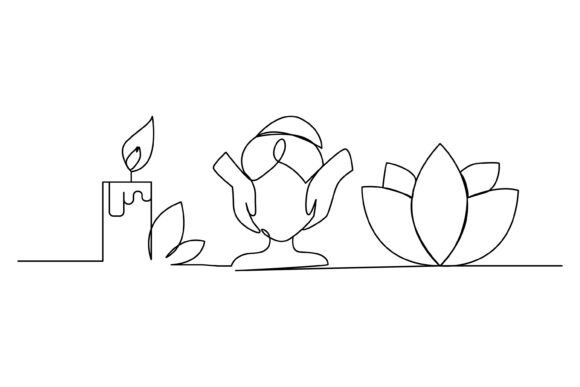
Opening a new design file always carries a small moment of curiosity. With Continuous Line Design of Facial, that first impression lands somewhere between meditative and modern. The artwork is exactly what it promises: a single uninterrupted line that traces the contours of a face, drawn with a light and intentional hand on a clean white background. There is no shading, no layered complexity, no decorative filler. Just one line moving through the shape of a human profile, capturing the suggestion of closed eyes, a nose, lips, and the gentle curve of a jaw.
What strikes me immediately is how the mood feels spiritual without being overly sentimental. The continuous line technique gives the piece a sense of flow and calm. It reads like a mindfulness exercise translated into visual form. For an embroidery designer, this kind of minimal line art opens up a very specific set of possibilities. It is not a design that will dominate a project with density or texture. Instead, it will sit quietly on the fabric, asking the viewer to lean in a little closer.
The Continuous Line Design of Facial belongs to the Illustrations category and is offered as a Graphics product type. The files provided are EPS, SVG, and JPG. That combination is practical for anyone who needs to work across different software, whether you are preparing an embroidery digitizing file, mocking up a product listing, or creating a printable design asset for a craft business.
What This Design Brings to an Embroidery Project
When I evaluate a line art graphic for embroidery, my first question is always about how it will translate into thread. A continuous line drawing naturally suggests a running stitch approach. The single path of the design means a digitizer can follow the exact route of the original artwork, preserving the uninterrupted flow that makes the piece feel so cohesive. There is a real chance here to create something that looks almost hand-drawn on fabric, which is a quality many customers actively seek out in handmade and boutique products.
The facial care spirituality theme is gentle and inclusive. It does not lean heavily into any particular gender, age, or cultural marker. That broad appeal makes Continuous Line Design of Facial a smart candidate for projects aimed at a wide audience. I can already picture this on a soft cream tote bag, stitched in a muted terracotta or dusty sage thread, carried by someone who appreciates understated design with a touch of introspection.
For machine embroidery design use, the simplicity of the artwork is both a strength and a responsibility. Because there are no thick filled areas, no satin stitch borders, and no dense fill stitch sections, the embroidered result will live or die by the quality of the stitch path and the tension of the thread. A clean single-line embroidery can look incredibly elegant. A poorly executed one, with uneven stitch length or puckering, will lose all its charm immediately.
Real Project Scenario: The Boutique Tote Bag
Let me walk through a realistic situation. A small shop owner reaches out and asks for a custom embroidered tote bag design. She runs a wellness boutique and wants something that reflects mindfulness, simplicity, and self-care. She has seen line art embroidery trending on social media and wants her shop merchandise to carry that same quiet, modern energy.
I open the Continuous Line Design of Facial file and start testing. The SVG loads cleanly into my digitizing software, and the single path is immediately usable as a guide for a running stitch outline. I scale the design to fit a medium hoop size, roughly four inches tall, and run a test stitch on a piece of medium-weight cotton canvas similar to the tote bag fabric. I use a 40-weight polyester thread in a warm charcoal gray, and I pair it with a medium-weight cutaway stabilizer to prevent any shifting on the textured fabric.
The result is subtle and striking. The stitched line holds its curve beautifully. The closed eye of the profile reads clearly, and the uninterrupted flow of the thread gives the face a serene, almost breathing quality. When I hold the test piece up next to the boutique's branding, it fits perfectly. The owner later tells me her customers respond to the design as something that feels personal and peaceful, which is exactly the reaction she wanted for her handmade product line.
Where the Design Shines Brightest
After working through several test applications, I have a clear sense of where Continuous Line Design of Facial performs best. It thrives on products that benefit from a light, elegant touch. Tote bag design projects are a natural fit, as are pillow covers made from linen or cotton blends. The design also works well on tea towels, especially when stitched in a single contrasting color that lets the line art breathe against the fabric.
For custom apparel, I would lean toward pieces where minimalism is the goal. A small placement on the chest of a relaxed-fit sweatshirt, stitched close to the heart, gives the design an intimate feel. On a sweatshirt embroidery project, I would keep the size modest, perhaps three to four inches wide, and use a soft thread color like stone, blush, or muted navy. The design does not need to shout to be noticed.
Baby embroidery is another interesting possibility. The gentle, continuous line has a nurturing quality that suits nursery decor, baby blankets, or a small embroidered accent on a muslin swaddle. Parents drawn to mindful parenting aesthetics would likely respond warmly to this imagery. Similarly, holiday embroidery gifts with a wellness or self-care theme could use this design on a spa-themed gift set, a zippered pouch, or a fabric bookmark included with a journal.
For Etsy sellers and small shop product creators, the design also works as a printable mockup element. The JPG file can be placed into digital product previews, helping buyers visualize the finished embroidered item before purchase. The SVG and EPS formats give flexibility for creating design assets that can be used across multiple product listings, social media graphics, and branding materials.
Where Caution Is Required
Every design has its limits, and Continuous Line Design of Facial asks for thoughtful decision-making in certain situations. Because the artwork relies on a single thin line, small hoop sizes can become a problem quickly. If the design is scaled down too far, the facial features may blur together or lose definition. I would not recommend stitching this below two and a half inches in width without testing first, and even then, I would inspect the stitch preview carefully for any areas where the line might double back on itself too tightly.
Textured fabrics like terry cloth, fleece, or heavily napped materials can disrupt the clean line quality. The thread may sink into the pile, making the continuous line look broken or uneven. On dark fabric, the design can still work, but thread color choice becomes critical. A single line of white or light thread on a black background creates a stunning high-contrast effect, but any stitch irregularities will be far more visible than on a medium-toned fabric.
Stretchy fabrics and thin materials need extra stabilizer support. A single running stitch outline does not have the same structural grip as a satin or fill stitch, so the fabric underneath can shift during stitching if not properly secured. I always recommend a stabilizer that matches the fabric weight and a test run on scrap material before committing to the final product. Curved surfaces like caps and hats are also tricky for this design. The continuous line needs a flat, stable surface to maintain its smooth flow, and the curvature of a cap brim or crown can distort the facial proportions.
Products that require frequent washing, such as everyday kitchen towels or children's clothing, should be tested for durability. A running stitch outline can be more vulnerable to snagging or wear over time compared to denser stitch types. I would advise using a high-quality thread and securing the stitch ends well to prevent unraveling.
Visual Appeal and Customer Perception
From a buyer engagement standpoint, Continuous Line Design of Facial carries a distinct visual personality. It does not look like mass-produced embroidery. It has the feel of something hand-sketched and personal, which is a powerful selling point for personalized gift and craft business markets. Customers who value authenticity and minimalism will gravitate toward this aesthetic. The design communicates a sense of calm and intentionality that aligns well with brands focused on wellness, mindfulness, and slow living.
When I think about customer trust and brand consistency, this design supports a cohesive visual identity. A shop that uses line art across its products creates a recognizable style that repeat buyers learn to associate with quality and care. The giftability factor is high because the design feels thoughtful rather than generic. Someone receiving a tote or pillow with this embroidered face is likely to perceive it as a meaningful item rather than a simple decorated object.
The professionalism of the finished product depends heavily on execution. Because the design is so minimal, every stitch counts. A well-digitized and carefully stitched version will look like a premium handmade item. A rushed version with uneven tension or poor fabric choice will look amateurish. This is a design that rewards patience and precision.
Practical Designer Notes Before You Stitch
Before committing Continuous Line Design of Facial to a final product, there are several practical steps I always follow, and I recommend the same to any embroidery designer or maker. First, test the design on scrap fabric that matches the final project material as closely as possible. Check how the thread sits on the surface, whether the stitch path flows smoothly, and whether any areas need adjustment in the digitizing stage.
Review thread color contrast under different lighting conditions. A color that looks perfect under bright studio lights may appear washed out or harsh in natural daylight. I also test the design in black and white mockups to see how the silhouette reads without the influence of color. This is especially useful for line art, where the shape itself carries the entire visual weight.
Inspect the stitch density and confirm the hoop size is appropriate for the scaled dimensions. Check that small details, such as the eye curve and the lip line, remain distinct and do not collapse into a single blurred stitch. If the design includes any tight turns or overlapping paths, those areas need extra attention during digitizing to avoid thread breaks or bulk.
Consider how the design will look on both light and dark fabric backgrounds. The single line on white in the original graphic translates differently when stitched onto a colored or textured surface. Testing on a few swatches helps avoid surprises later.
Use a proper stabilizer for the fabric type. For most woven cottons and linens, a medium cutaway works well. For knits or stretch materials, increase the stabilization and consider a topper to prevent the stitches from sinking in. The goal is to keep that continuous line crisp and floating on the surface.
Finally, confirm the licensing terms before selling finished items or digital products. The product description states that the files include EPS, SVG, and JPG formats, which are digital embroidery file compatible after conversion, but the specific usage rights for commercial embroidery projects, commercial embroidery sales, or digital product resale should be verified directly with the seller or platform. Do not assume blanket commercial permission without checking.
What Makes This Design Worth Considering
After spending time testing and thinking through real applications, I can say that Continuous Line Design of Facial earns its place in a thoughtful maker's library. It is not a design for every project, and that is exactly its strength. It serves a specific aesthetic with clarity and grace. For embroidery projects that need a quiet, modern, and emotionally resonant focal point, this single line artwork delivers something genuinely valuable.
The facial care spirituality theme, executed in a continuous line on white, gives the design a versatile foundation. It can be adapted to apparel decorators looking for fresh boutique styles, craft fair products that stand out from typical floral or monogram offerings, and Etsy listings that cater to the growing market for mindful and minimalist home goods.
Whether it ends up on a kitchen towel wrapped as a holiday gift, a custom embroidered patch sewn onto a denim jacket, or a pillow cover in a meditation corner, the design brings a sense of intention that customers notice and appreciate. And in a market where handmade products compete for attention, that quiet recognition can make all the difference.