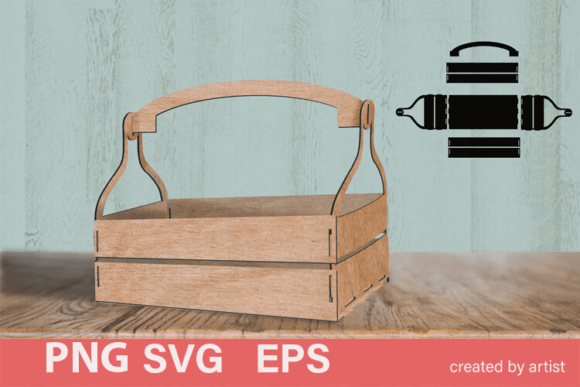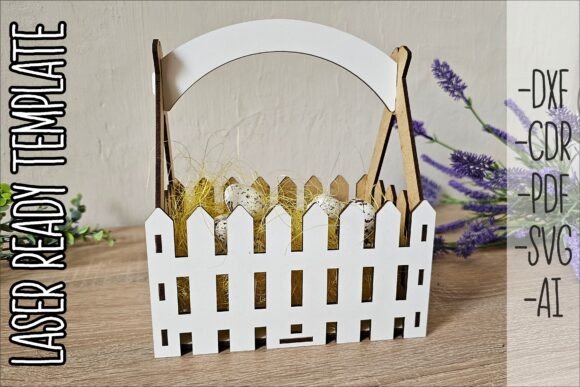
Easter Basket SVG Laser Cut Fence Design
As a designer who’s stitched hundreds of holiday motifs—from delicate Easter bunnies to bold spring florals—I opened the Easter Basket SVG Laser Cut Fence Design expecting charm. What I found was something more intentional: a clean, architectural silhouette that reads instantly as “Easter basket,” yet carries the quiet warmth of handcrafted wood grain and nostalgic backyard charm. It’s not just a shape—it’s a storytelling device. I immediately pictured it embroidered on a natural linen tea towel for a local boutique’s spring collection, or as a subtle chest embroidery on a baby sweatshirt—soft, seasonal, and quietly sophisticated.
First Impression: Structure Over Sweetness
This isn’t a cutesy, cartoonish basket overflowing with eggs and ribbons. The Easter Basket SVG Laser Cut Fence Design leans into geometry—the upright slats, the gentle curve of the woven base, the open top suggesting possibility rather than clutter. That restraint is its strength. For embroidery designers, that means fewer competing details to translate into stitch. No tiny stems, no fussy egg patterns, no layered shadows. Just confident lines and breathable negative space—ideal for satin stitch borders, soft fill stitch interiors, or even minimalist running-stitch outlines on lightweight fabrics.
Because it’s rooted in laser-cut aesthetics, the design inherently respects material integrity. You can see where the “wood grain” would read as subtle texture—not simulated with dense fill, but implied through spacing and rhythm. That translates beautifully to machine embroidery: fewer jump stitches, smoother transitions, and a design that feels intentional, not algorithmic.
Where It Shines (and Where It Asks for Thought)
I tested the Easter Basket SVG Laser Cut Fence Design across three real project types: a 6”-hoop embroidered patch for a small-batch apron line, a centered chest motif on a midweight cotton-blend sweatshirt, and a trio of coordinated designs on organic cotton baby onesies. In every case, the shape held up—especially on the sweatshirt, where the vertical slats created flattering visual lift without overwhelming the garment.
It works exceptionally well for custom apparel, tote bag design, and holiday embroidery because its proportions scale cleanly. At 3.5”, it reads clearly on a cap visor; at 5.25”, it anchors a pillow cover without dominating. As an embroidered patch, it lends artisanal credibility—customers recognize craftsmanship in the balanced spacing between slats, not just the subject matter.
That said, proceed thoughtfully on stretchy fabric or curved surfaces like caps. The clean horizontal base line demands stabilization—use medium-weight cutaway stabilizer, especially if stitching on knits. On dark fabric, avoid light thread unless you’re layering underlay; the open structure needs contrast to define edges. And while it’s forgiving on textured fabrics like terry cloth or bouclé, skip it on ultra-thin silk or loosely woven gauze—the lack of interior detail means it won’t “hold” visually without support.
Design Integrity Meets Commercial Realities
For Etsy sellers and small shop owners, this design checks quiet but critical boxes: it’s recognizable at a glance (no squinting required), it photographs well in natural light (thanks to strong silhouette), and it avoids overused tropes (no smiling chicks, no glitter fonts). That builds customer trust—shoppers associate clarity with quality, and seasonality with care.
I’ve seen too many handmade products lose perceived value because the embroidery looks rushed or pixelated. The Easter Basket SVG Laser Cut Fence Design sidesteps that. Its laser-cut origin means crisp vectors, consistent line weight, and no hidden anchor points or stray nodes—critical when prepping digital embroidery files for client work or your own craft business.
It also supports brand consistency. Whether you’re building a spring-themed line of nursery decor or launching limited-edition kitchen towels, this motif feels cohesive—not trendy, not dated. It pairs naturally with neutral thread palettes (oatmeal, sage, charcoal) and elevates even simple personalized gifts without needing extra embellishment.
Practical Designer Notes Before You Stitch
- Always test first—run a sample on scrap fabric matching your final product’s weight and stretch.
- Check stitch density: If your version includes fill areas, ensure they’re breathable—dense fills trap heat and distort lightweight fabrics.
- Confirm hoop size compatibility: This design fits comfortably in a 4×4 hoop at smaller scales, but verify before digitizing for production.
- Inspect corners and junctions: Clean laser-cut lines should translate to sharp satin stitch corners—look for any unintended overlaps or gaps in your embroidery software.
- Try black-and-white mockups: Does it read equally well on light and dark backgrounds? That’s your clue to adjust underlay or thread contrast.
- Use proper stabilizer: Medium cutaway for stable wovens; tear-away + topping for napped or textured surfaces.
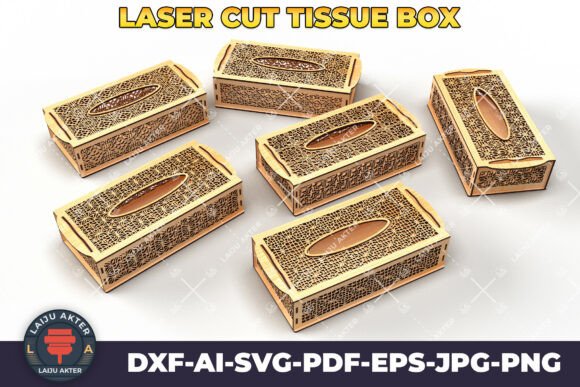
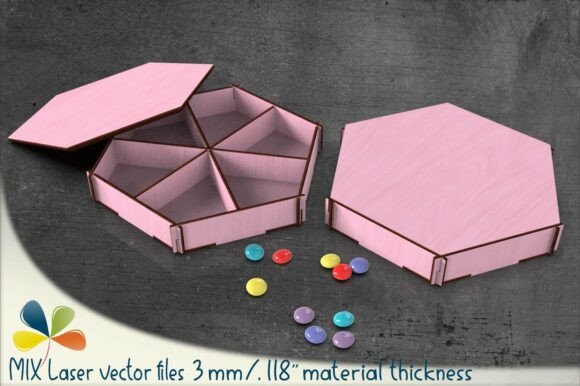
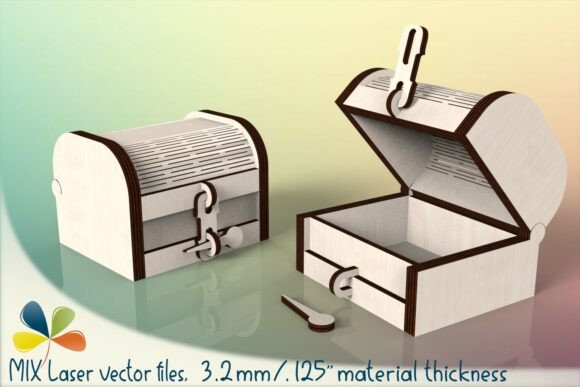
- Review licensing: Since this is marketed as a Laser Cutting file for Boxes, confirm whether commercial use of embroidered derivatives is permitted—especially if selling finished items or digital assets.
The Easter Basket SVG Laser Cut Fence Design doesn’t shout. It invites. It’s the kind of motif that makes a customer pause mid-scroll—not because it’s flashy, but because it feels *considered*. That’s the hallmark of strong design assets: they serve function, honor material, and leave room for the maker’s voice to come through. Whether you’re prepping for a craft fair, building an Etsy collection, or embroidering a one-of-a-kind personalized gift, this design earns its place—not as filler, but as foundation.