Set of Panel Floral Patterns
A Designer’s First Glance: Grace, Not Gimmick
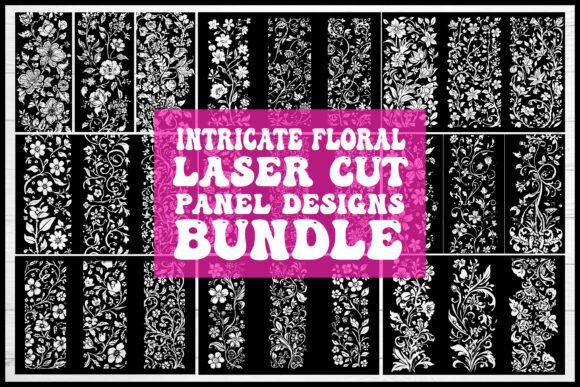
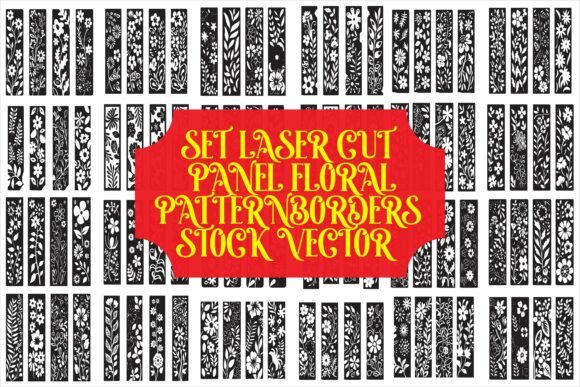
Opening Set of Panel Floral Patterns feels like unrolling a quiet invitation—not loud, not trendy, but thoughtfully composed. These aren’t scattered florals; they’re balanced panels with breathing room, intentional negative space, and borders that frame rather than overwhelm. The vector foundation means clean edges and scalability, but what stands out is the *rhythm*: gentle curves, layered petals, and rhythmic spacing that reads beautifully at 3” and still holds up at 8”. For embroidery designers, that’s rare—and valuable. This set leans into elegance without sacrificing craft practicality, making it ideal for boutique apparel, nursery decor, or personalized gifts where subtlety signals care.
Real Project Test: Embroidering a Linen Kitchen Towel
Last week, I prepped a custom order—a set of monogrammed linen tea towels for a local café’s holiday gift bundle. I chose one of the narrower floral borders from Set of Panel Floral Patterns to flank a centered script monogram. Why? Because linen is unforgiving: loose weave, low stretch, zero forgiveness for dense fill stitches. The design’s moderate stitch density—evident even in the vector preview—translated cleanly: satin-stitched stems held crispness, open-fill petals avoided puckering, and the border’s consistent width (about 1.25”) gave visual weight without bulk. Customers noticed. Not just the monogram—but how the floral “frame” felt intentional, not decorative filler. That’s the difference between a machine embroidery design and a handmade product with presence.
Where It Shines—and Where to Pause
Set of Panel Floral Patterns excels in projects where clarity and calm matter:
- Custom apparel: Works beautifully on sweatshirt cuffs, tote bag hems, and apron pockets—especially when you want refined detail without competing with bold graphics.
- Baby embroidery: Soft curves and open motifs read as gentle, not fussy—ideal for onesies, burp cloths, or crib bumper accents (always verify safety standards separately).
- Holiday & wedding gifts: The ornamental frames elevate simple items—think embroidered pillow covers for bridal showers or napkin sets for Thanksgiving tables.
- Etsy sellers & small shop owners: These are strong digital embroidery file candidates for layered listings: sell the full panel + offer single-motif add-ons, or pair with coordinating monogram files.
But be thoughtful in these cases:
- Small hoop sizes (under 4”): Some full-panel layouts exceed standard hoops. Crop or isolate motifs first—don’t force a 6” border into a 4x4 hoop and lose proportion.
- Stretchy or textured fabrics: On knits or terry cloth, test stabilizer pairing thoroughly. Dense floral centers may need medium cutaway + tear-away combo to prevent distortion.
- Dark fabric backgrounds: Light thread colors (ivory, pale sage) pop—but check contrast in printable mockups before finalizing. Some delicate tendrils fade visually if thread lacks saturation.
- Curved surfaces (caps, curved pillow seams): Avoid placing intricate corners or tight clusters there. Opt instead for the smoother mid-sections of borders or standalone blossoms.
Design Integrity Meets Customer Trust
When your Etsy buyer sees “hand-embroidered floral panel” in the title, they’re buying atmosphere—not just thread on fabric. Set of Panel Floral Patterns delivers that promise because its structure supports authenticity. The floral motifs don’t look digitally mass-produced; they carry the asymmetry and variation of hand-drawn ornamentation, which translates to more believable stitching. That perception directly impacts perceived value: customers pay more for pieces that feel considered, not automated. For craft businesses building brand consistency—say, a line of botanical-themed kitchen goods—the cohesive style across panels makes collections feel intentional, not assembled.
Practical Notes Every Embroidery Designer Should Check
Before stitching your first client piece or uploading to a digital shop:
- Test on scrap fabric first—same type and weight as your final project. Linen behaves differently than cotton poplin; fleece traps heat differently than chambray.
- Review stitch density in your embroidery software. If fill areas look overly solid in preview, reduce density slightly—especially for baby items or frequently washed goods like tea towels.
- Confirm hoop size compatibility. Don’t assume all panels fit your standard hoop. Measure the bounding box in your vector editor.
- Inspect small details at 200% zoom. Tiny buds or fine vines may vanish on coarse fabric or require stabilizer reinforcement.
- Try black-and-white mockups. If the design loses hierarchy or legibility without color, simplify or adjust motif placement.
- Compare light vs. dark background renders. Some borders rely on subtle tonal shifts—those can disappear on black fabric unless thread contrast is deliberate.
- Use proper stabilizer—not just “some.” Medium-weight cutaway for stable wovens; lightweight tear-away + topping for napped fabrics.
- Verify licensing terms before selling finished items or digital products. As a Graphics asset intended for Crafts use, confirm whether commercial redistribution or derivative sales are permitted.
Final Thought: A Quiet Asset, Not a Flashy Gadget
Set of Panel Floral Patterns won’t shout from a craft fair table—but it will make your best-selling tote bag feel like a keepsake, turn a basic sweatshirt into a signature piece, and give your Etsy shop that elusive “curated” vibe. It’s not about complexity; it’s about cohesion, restraint, and quiet confidence in execution. For embroidery designers who build businesses on trust, texture, and timelessness—this isn’t just another embroidery file. It’s a reliable collaborator.