Continuous Line Design of Family Graphics
First Impression: Light, Connected, and Human-Centered
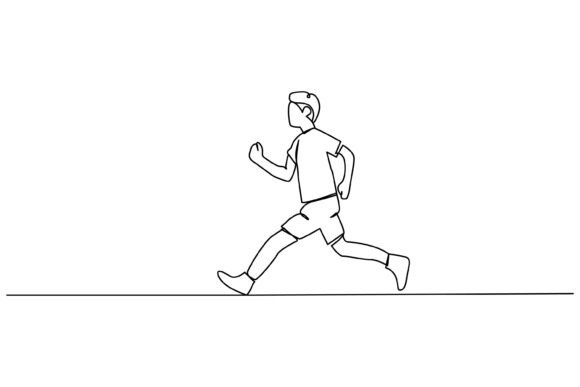
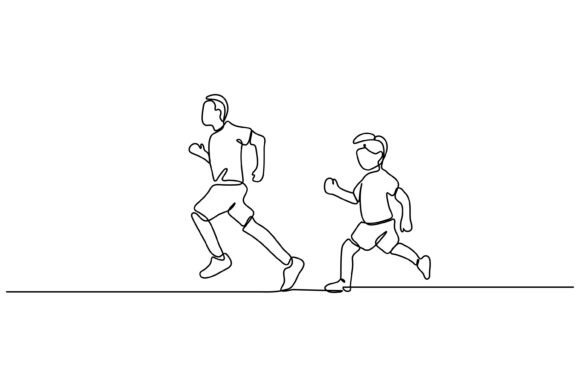
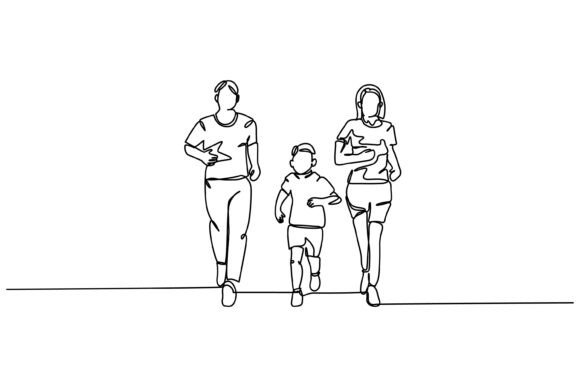
When I opened Continuous Line Design of Family for the first time—previewing the SVG and JPG files—I felt an immediate lift. It’s not loud or flashy, but it carries warmth, motion, and quiet intention. The single-line execution of a family running together evokes unity, joy, and forward momentum—without cliché or sentimentality. That’s rare. As a brand designer who’s reviewed thousands of illustrations on creative marketplaces, I can say this asset lands firmly in the “lifestyle-first, professional-second” sweet spot: ideal for small business branding, content marketing, and digital product visuals that prioritize emotional resonance over rigid formality.
A Real Campaign Test: Launching a Wellness Coaching Bundle
Last month, I helped a holistic coach refresh her launch campaign for a digital product—a 6-week family wellness bundle targeting parents and caregivers. She needed visual consistency across Instagram carousels, Pinterest pins, email headers, and printable habit trackers. Continuous Line Design of Family became the unifying thread. We placed it subtly in the corner of Canva templates, scaled it large as a hero graphic for her sales page, and simplified it further into a monochrome sticker for her PDF workbook. Because it’s built as a clean vector (EPS + SVG), it held crispness at every size—and because it’s drawn on white, it dropped seamlessly into light and muted palettes without extra masking or layering.
Where This Illustration Builds Brand Trust—Fast
- Social media graphics: Works beautifully as a decorative accent in Instagram posts—especially lifestyle or testimonial carousels where human connection is the core message.
- Pinterest pins & blog headers: Its flowing line creates natural visual hierarchy, guiding the eye toward headlines without competing with text.
- Digital ads & email banners: When paired with bold sans serif type and one brand color, it adds personality without sacrificing clarity or load speed.
- Printable design & lead magnets: As a subtle watermark or border element in habit trackers, planners, or resource kits, it reinforces “family-first values” without overwhelming content.
- Packaging design & product labels: Used minimally on kraft paper mailers or eco-friendly packaging inserts, it signals care, craftsmanship, and approachability.
Where It Elevates—Not Distracts—from Your Message
This isn’t a logo design—it’s a graphic design asset meant to support, not anchor, your brand identity. It shines brightest when used intentionally: as a campaign header, a branded template divider, a decorative brand element in editorial design, or a consistent motif across a content bundle. In web design, it adds rhythm to landing pages. In merchandising, it scales cleanly onto tote bags or stickers. As part of a design bundle, it pairs effortlessly with hand-drawn icons, soft gradients, and organic textures—making it a strong fit for modern design projects rooted in authenticity.
Where to Proceed with Thoughtful Restraint
While versatile, Continuous Line Design of Family isn’t universal. Avoid using it in formal corporate branding—its expressive flow clashes with boardroom-level minimalism. Don’t force it into dense information layouts (think comparison tables or feature grids), where visual breathing room is non-negotiable. Skip it for small mobile graphics under 80px tall—the single-line detail blurs. And never place it against low-contrast backgrounds (e.g., light gray on off-white) without testing readability first. If your brand relies heavily on script fonts or intricate display typography, preview spacing carefully—this illustration needs breathing room to land its emotional tone.
Brand Designer Notes You’ll Actually Use
- Test with your palette: Drop it into mockups using your primary and secondary colors—especially in black, white, and one accent shade—to confirm tonal harmony.
- Check grayscale performance: Print a test sheet. Does the line weight hold? Does it disappear against textured paper?
- Preview in context: Paste it into real campaign mockups—not just isolated previews. See how it behaves beside your headline font (serif, sans serif, handwritten) and supporting imagery.
- Verify commercial license: Confirm usage rights cover client work, paid ads, and digital product resale—this is essential for coaches, online sellers, and creative entrepreneurs.
- Compare against competitors: Search Pinterest or Instagram for “family illustration”—does this feel distinct yet on-brand for your audience’s expectations?
- Review balance and spacing: Zoom out. Does the composition feel anchored? Does the running motion read as joyful—not rushed or chaotic?
Why This Is More Than Just Clipart
In a sea of generic stock illustrations, Continuous Line Design of Family stands out by balancing simplicity with storytelling. It doesn’t shout—it invites. It doesn’t decorate—it connects. For marketers building trust through consistency, for bloggers curating empathetic visual narratives, and for small business owners crafting memorable campaign visuals, this is more than a PNG design or SVG illustration. It’s a flexible, emotionally intelligent piece of visual language—one that supports stronger first impressions, clearer visual hierarchy, and more authentic audience trust. Whether you’re designing packaging accents, social media covers, or editorial layouts, it delivers professional branding with quiet confidence.
Final Verdict for Creative Entrepreneurs
If your brand speaks to growth, togetherness, movement, or mindful living—and if your audience responds to warmth over polish—Continuous Line Design of Family is a high-value addition to your design assets. It’s not filler. It’s functional storytelling. Use it where human emotion matters most: in lead magnets that convert, in Canva templates that scale, in digital ads that pause the scroll, and in printable designs that feel handmade, even when they’re perfectly precise. For content creators, coaches, and product makers building with heart and strategy, this is a graphic design asset that earns its place—not just in your library, but in your next campaign.